FAME Presents: Runway to Redundancy…?
Written by Lee Clayton
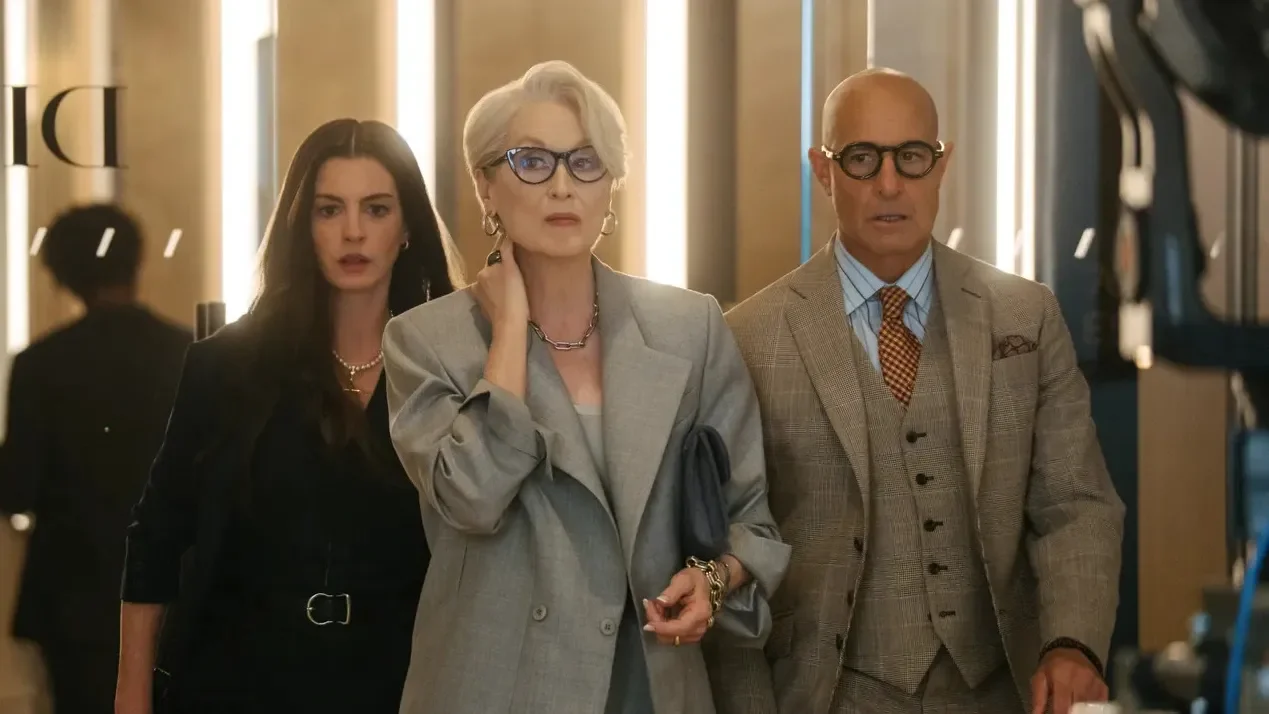
What The Devil Wears Prada 2 says about AI, print media, and Hollywood’s sequel addiction
FAME LSA is a very fashion-minded law society this year and we were all ecstatic about the release of The Devil Wears Prada 2. The original film is an iconic piece of pop culture, highlighting the beauty and often brutal nature of fashion and print media. The sequel, whilst still undoubtedly focusing on these features, delves deeper into how the industry is being reshaped in the digital age and the rise of artificial intelligence (AI). There is a clear shift, both in the film and real life, where fashion magazines no longer dominate culture as much as they once did. Print media now competes in an environment where trends pass before the magazine hits the stand and its audience expects instant information and for free. Fashion journalism, much like the wider scope of traditional media, has had to continually justify why print media still matters.
AI only adds another layer of uncertainty. Creative industries are struggling against the increase of AI-generated content and are consistently facing questions about what should and needs to remains uniquely human when these models can generate articles, images and styling concepts in under a minute. The Devil Wears Prada 2 arrives at a perfect time, where audiences and lovers of the creative industries are anxious about authenticity and the future of these crucial industries. I think this film strongly highlights the importance of human input and taste. Whilst these AI models have been designed for speed and easy access, they cannot truly replace the expertise, creativity and brilliance of the human mind, and I don’t think they ever will.
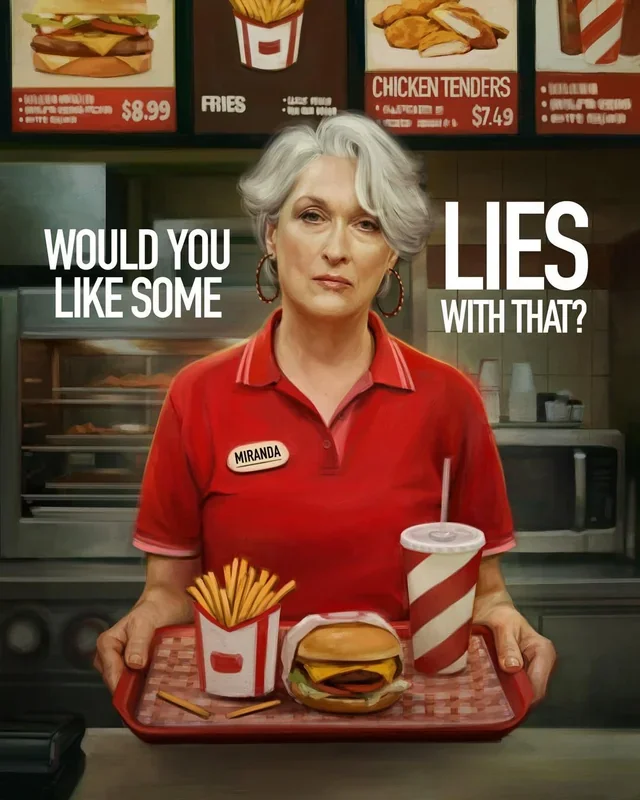
Director of The Devil Wears Prada 2 commissioned artist Alexis Franklin to paint Meryl Streep in an AI-looking format for the movie.
Whilst, the sequel has a strong story to tell about the current state of print media, there is also something to be said about Hollywood’s apparent addiction to sequels and nostalgia-baiting. Modern cinema is becoming increasingly dominated by sequels, remakes and franchise extensions because familiar intellectual property (IP) is seemingly safer financially than original storytelling or new ideas. Audiences are being constantly fed revivals of popular films from previous decades; from superhero reboots to legacy sequels, because there is strong likelihood that audiences who loved the original film are going to spend money to see the continuation of the story—whether or not the film is actually any good. While nostalgia can be comforting, it also reveals an industry struggling to invest in new ideas. We often see film lovers begging for new and original ideas but then these films don’t seem to do as well at the box office. So, it’s no wonder why Hollywood is going down the more cash-grabby route in order to see a positive return on investment. The return of The Devil Wears Prada therefore becomes symbolic, not only of fading print empires, but also of a film industry now stuck recycling the past in manners that often feel creatively uncertain.
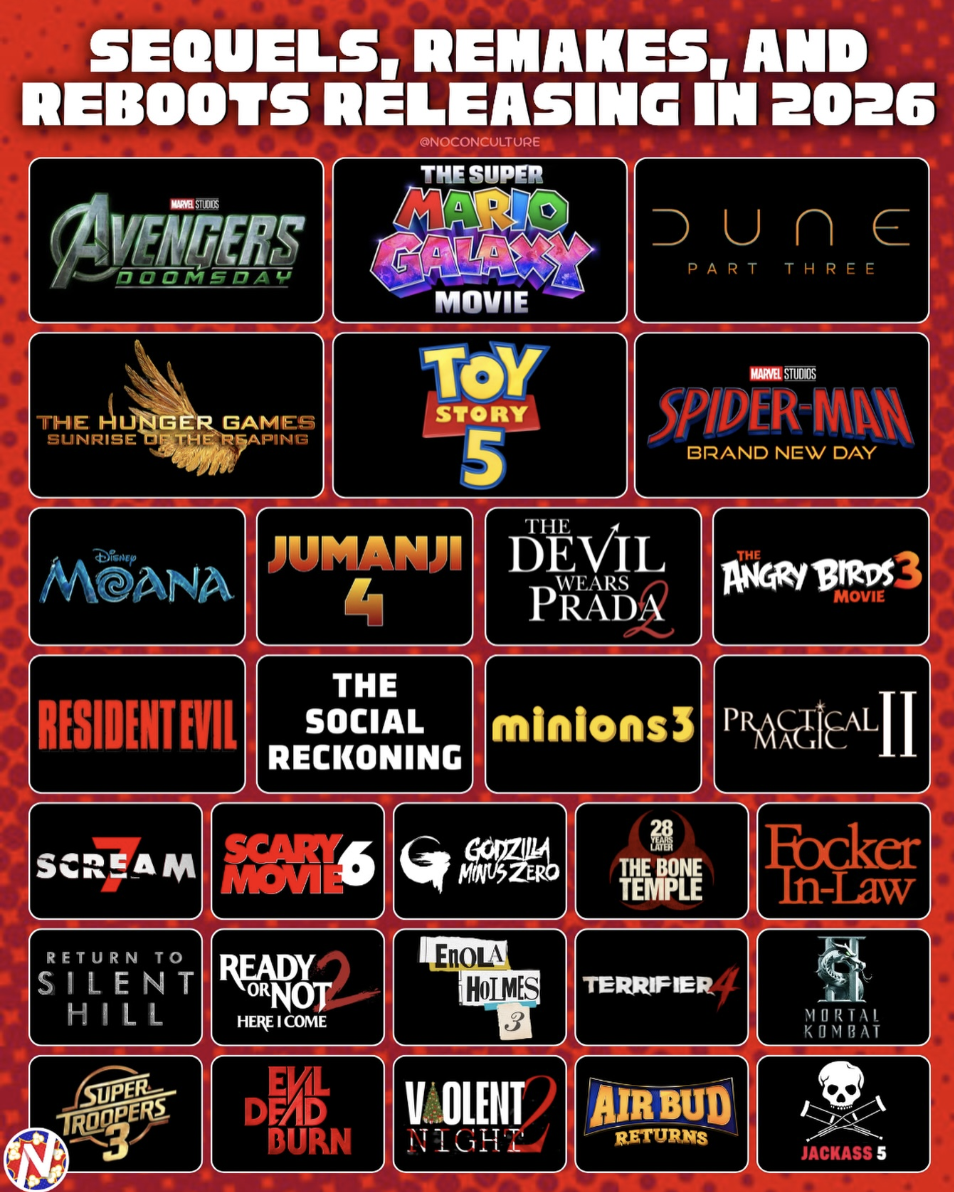
Image credit: Noconculture
This is not to say that all sequels are nostalgia bait, or even necessarily that The Devil Wears Prada 2 is, but I think it’s worth saying that there should be an even balance between extending existing IP and presenting new, creative and original ideas for audiences to enjoy.
Now, here is what some of the FAME committee members thought of the film
Lee Clayton - Communications Director
I walked into the film with low expectations and a belief that I was likely to be watching another cash-grabby, unnecessary and lifeless sequel. Thankfully, I was wrong—which is not something I say very often. I think over the last few years, there has been a real lack of originality in Hollywood, and many films have been given lacklustre sequels that worked perfectly fine as one-off pieces. For me, the Devil Wears Prada 2 actually had a story to tell and felt like a strong continuation of the first and very iconic film.
The story picks up two decades after the first film and follows Andy as she returns to Runway to work with Miranda once again, as they both try and save the magazine from competing powers and the impact of the digital age on print magazine. I thoroughly enjoyed the story being told and found it to be very relevant to real life at current, especially with the large impact AI is having.
What I felt was a strong point for the film is that the characters all felt like themselves. The actors gave mostly strong performances (sorry Anne this was a slight miss for me) and I am very glad Meryl Streep broke her no sequels rule. I found some of the initial character development quite poor and it was almost as if some of the characters—mainly Andy and Nigel—had regressed to who they were at the very start of the first film. However, ultimately I enjoyed where each character ended up by the end of the film and I actually prefer this ending to that of the first film where Andy stepped away from Runway and fashion journalism all together. I absolutely loved the relationship between Miranda and Emily in this film and thought the storyline they took with two of them (without giving too much away) was interesting, realistic and a natural progression for the pair.
The soundtrack for the film was stellar and to my surprise, I thought the fashion was for the most part pretty good too. There were a couple of pieces that felt out of place, but they were never going to be able to live up to the fashion highs of the first film. By far my least favourite part of the film was Andy’s romantic side plot. I didn’t feel it added much to the overall story, and I don’t think anyone watching the sequel was watching it to be updated on Andy’s romantic life. Although, I will say that the man she dates is a FAR step up from her boyfriend from the first film (#NATEHATECLUB).
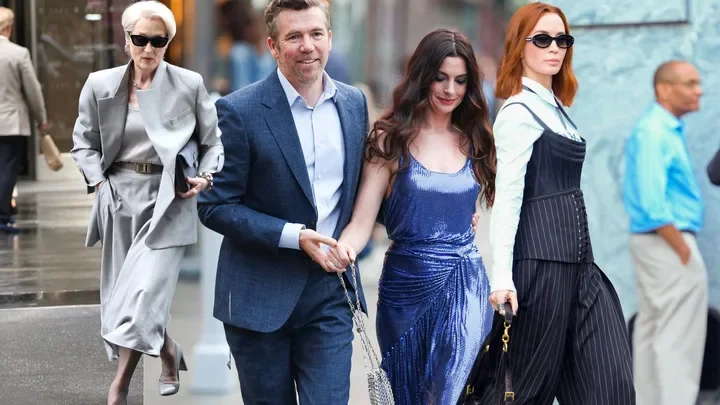
Overall, I was happily surprised by my enjoyment of the film, and while it was not as good as the first, it was certainly a worthwhile sequel that I would recommend to any lovers of the first film.
Daniela Papa - Careers Director
There are sequels that simply nobody asked for – and then there’s The Devil Wears Prada 2.
The movie catwalks into cinemas wearing 6-inch red heels, YSL and you guessed it - lots and lots of Prada. The story has changed its tune from centring on a styleless outsider thrown into the enigmatic fashion world, to the terrifying Miranda Priestley confronting the new age of digital fashion. Who knew Runway could go out of style. Andy throws off her independent boots and wrestles with love, success and journalistic integrity whilst Emily becomes the chic, powerful boss she was always meant to be. Stanley Tucci’s Nigel remains the film’s saving grace as he brings his effortless charm to the big screen.
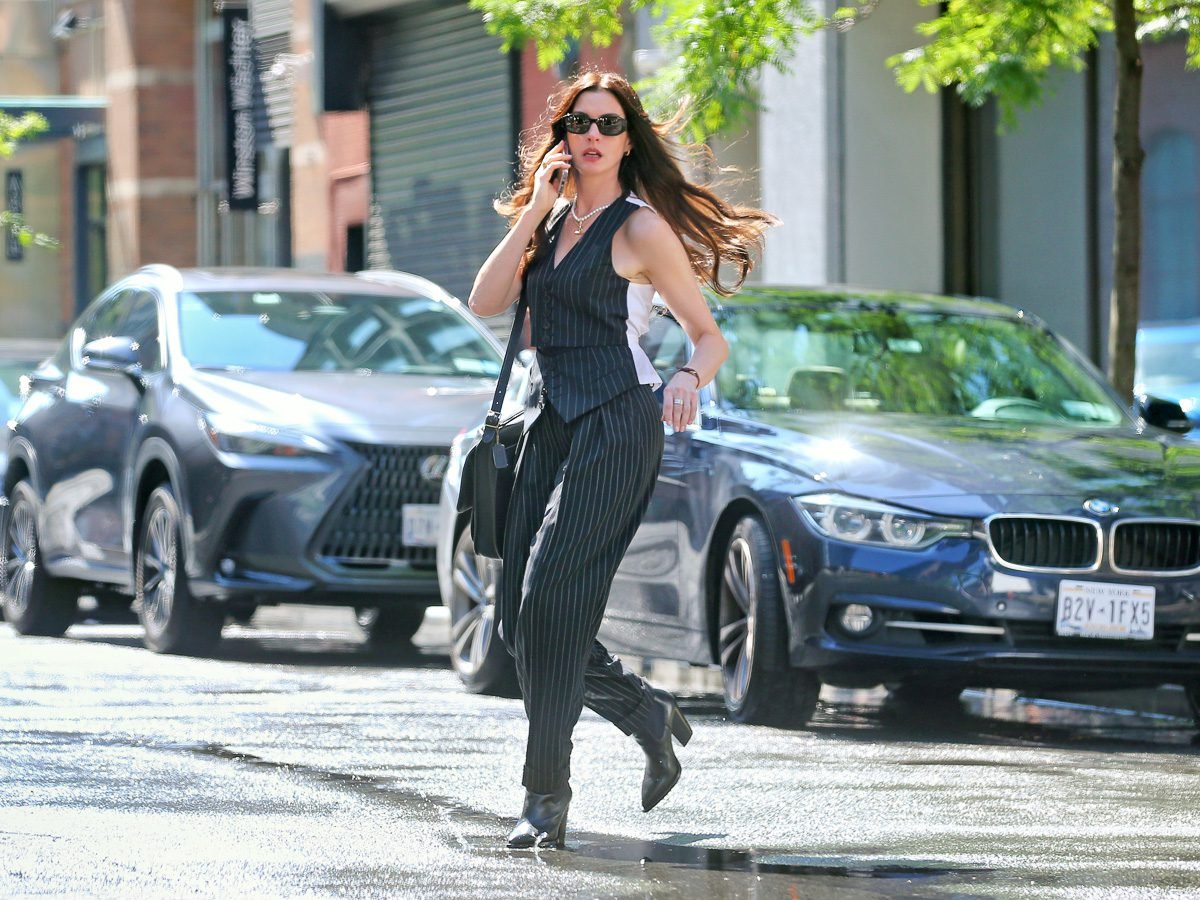
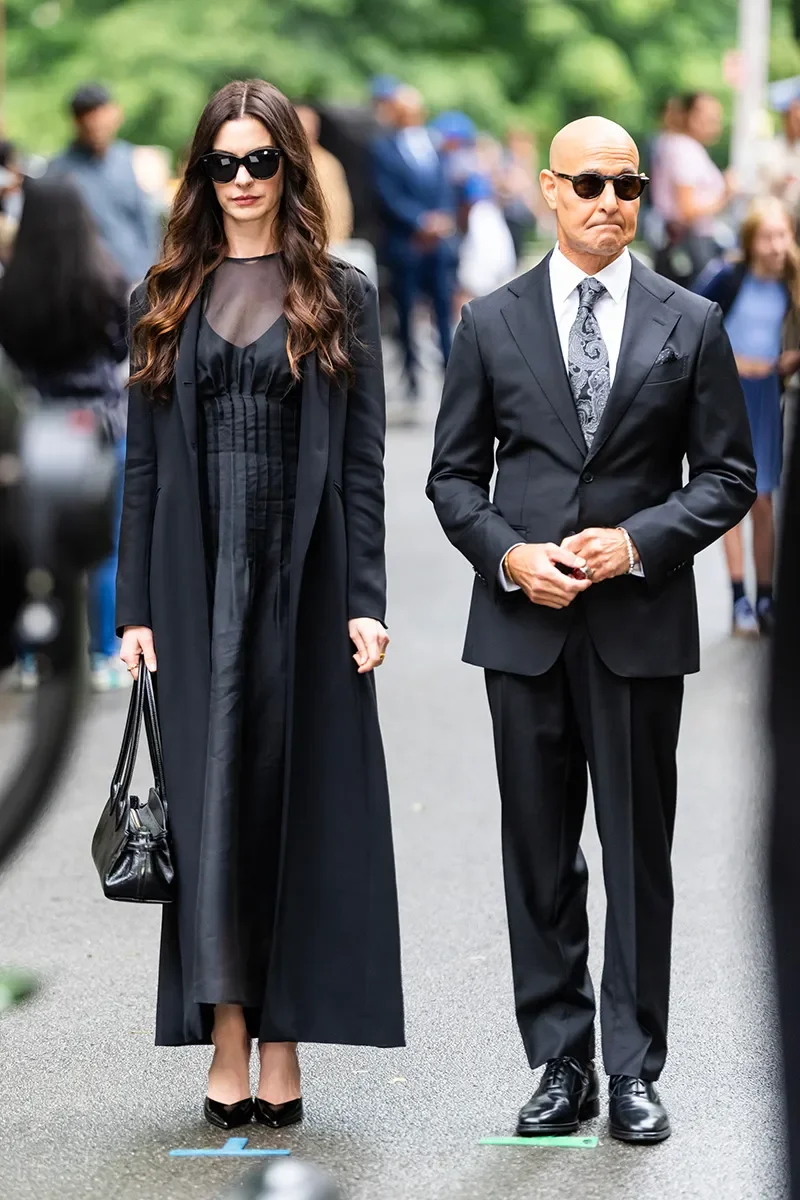
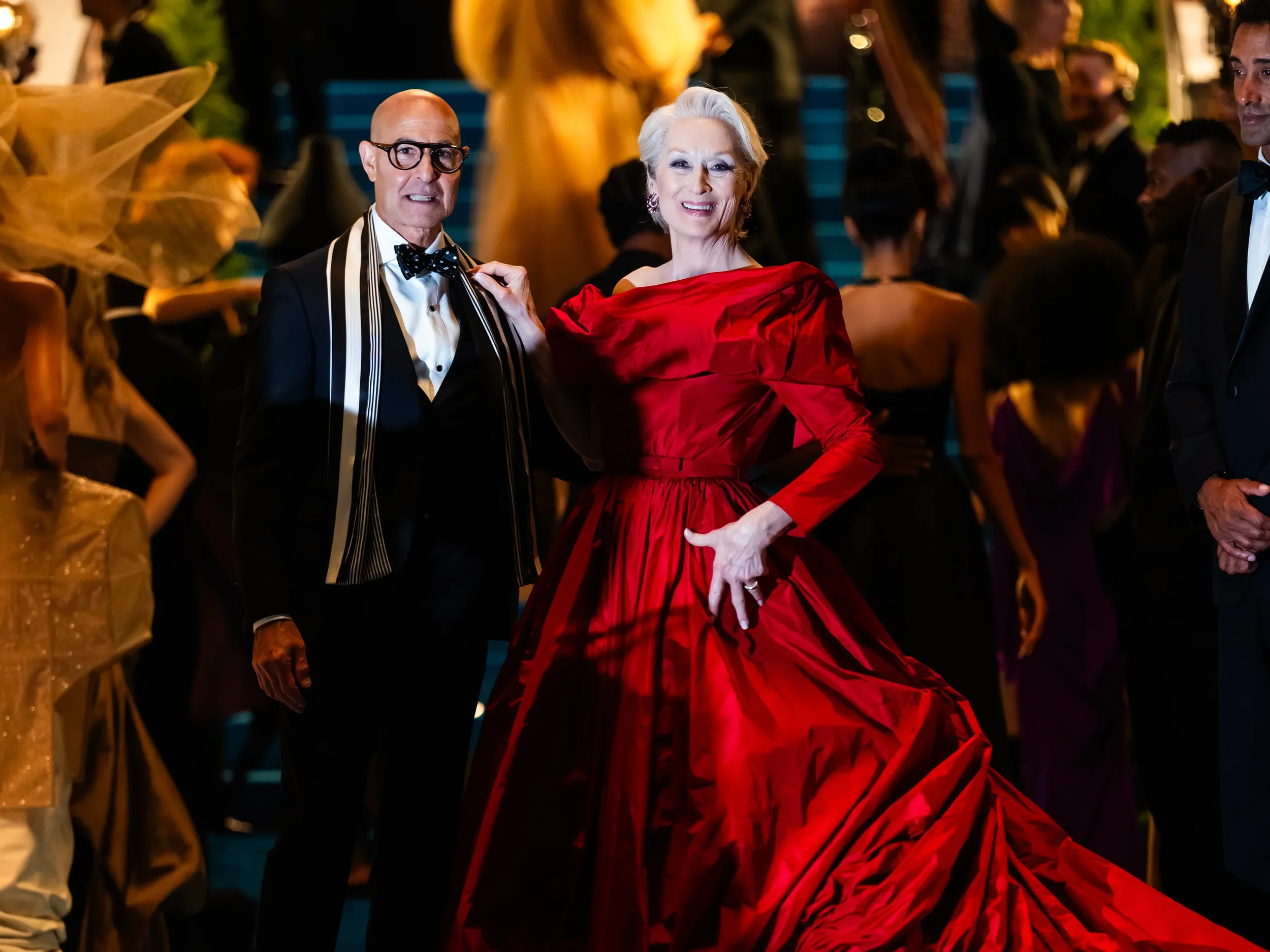
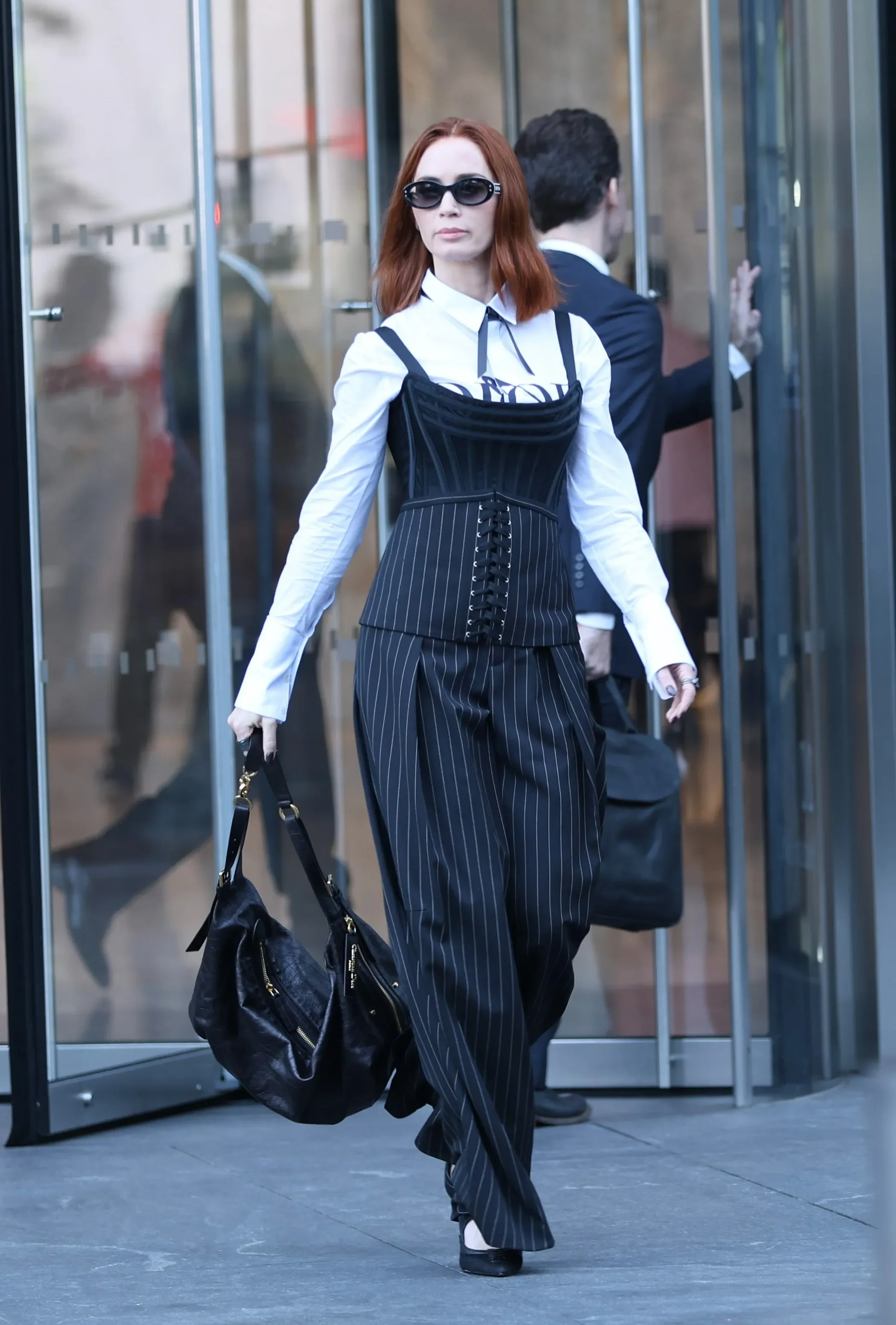
Although some plotlines may be held together with fashion tape, it is still as entertaining as the first. With celebrity cameos sprinkled in like luxury accessories and the wardrobe upgrading to dramatic suiting and impeccable tailoring – the fashionista’s feel right at home.
And we can’t forget Madonna’s Vogue.
By the end, you might not leave the cinema feeling anything profound, but you will leave wanting to purchase a power suit and a pair of some seriously shady sunglasses.